

Organisational diagnostics
When an organisational issue is difficult to understand or resolve, organisational diagnostics can help make sense of what is happening. We look at how people work together, the relationships and communication between them, and what may be going on below the surface that is getting in the way of collaborative and effective working relationships.
What is organisational diagnostics?
Organisational diagnostics is a way of developing a deeper understanding of what is happening within an organisation. It looks beyond the presenting problem to consider how an issue in one part of an organisation may relate to what is happening elsewhere.
A diagnostic considers roles and authority, organisational structures and relationships, the work itself and the wider context. It also pays attention to what may be happening below the surface, including assumptions that are difficult to question or discuss, anxieties arising from the work and patterns of behaviour that people may not be fully aware of.
This systems psychodynamic approach develops hypotheses about what may be happening rather than starting with a predetermined explanation or solution.
If you already have a clear understanding of the issues and the focus is on what needs to change across the organisation or wider system, see our Organisational and system change work.
Our approach
We design the diagnostic around the issue the organisation is seeking to understand and the context in which it is occurring. This may include individual interviews, focus groups and conversations with relevant stakeholders at different levels of the organisation. We use structured questions to explore people’s experience alongside the organisation’s purpose, structures, roles, relationships and wider context.
We also pay attention to recurring themes, differences in perspective and what may be difficult to speak about, as these can provide important information about what is happening across the system.
We analyse what we hear thematically and develop hypotheses about what may be contributing to the issue. We then work with the organisation to make sense of what has emerged, bringing new perspectives to the issue and opening up different ways of thinking about how to respond.
Who this is for
Organisational diagnostics can be useful for boards, executive teams, senior leaders and HR and organisational development leads seeking to understand a complex or persistent organisational issue.
This may be particularly useful when:
- difficulties in collaboration or communication persist despite attempts to address them
- there are concerns about organisational or workplace culture that are difficult to pin down
- conflict or problematic behaviour appears to centre on particular individuals or teams, but may reflect something wider in the organisation
- roles, authority or accountability have become unclear or contested
- change has stalled or is meeting forms of resistance that are difficult to understand
- different parts of the organisation have conflicting accounts of what the problem is
- established ways of working no longer seem to support the organisation’s purpose or task
How it works
We begin by working with you to clarify the issue and the questions the diagnostic needs to explore. From this, we agree the scope of the work and who needs to be involved. The diagnostic may include individual interviews, focus groups and conversations with people across different roles, teams or parts of the organisation. The design depends on the issue and the size and complexity of the organisation. We bring together what we have heard and share our findings and hypotheses with you, creating space to think together about what they may mean and what needs attention.
Who you would work with
Our organisational diagnostics are led by experienced organisational consultants who bring a systems psychodynamic perspective to understanding complex organisational issues.
-
Charlotte Williams
Director
-
Midge Seymour-Roots
Senior organisational consultant
-

David Sibley
Organisational consultant
-

Miranda Alcock
Associate Consultant
-

Francesca Cardona
Associate Consultant
-

Gwen Hanrahan
Associate Consultant
-
Dr Garfield Harmon
Associate Consultant
-

Lydia Hartland-Rowe
Associate Consultant
-

Christine Mckenzie
Associate Consultant
-

Jennie McShannon
Associate Consultant
-

Megan Meredith
Associate Consultant
-

Ben Neal
Associate Consultant
-
Barbara Picheta
Associate Consultant
-

Marie Pillai
Associate Consultant
-

Dr Ruth Pombi Chiraga
Associate Consultant
-
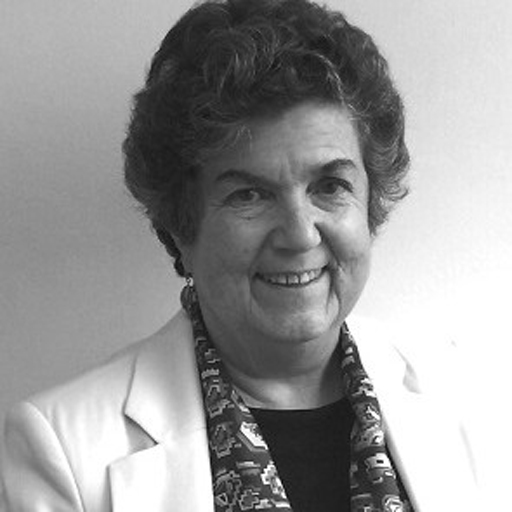
Vega Roberts
Associate Consultant
-
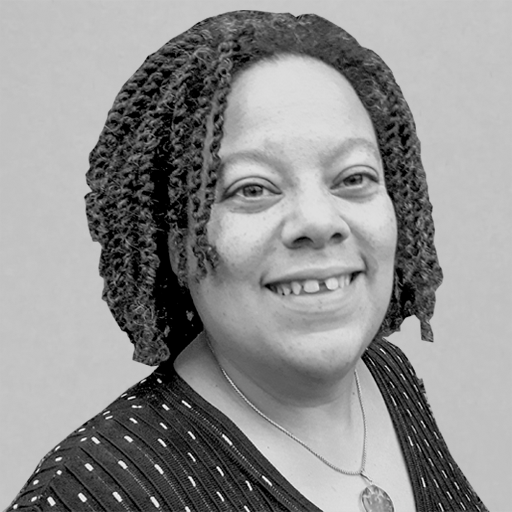
Ché Rosebert
Associate Consultant
-

Bev Thomas
Associate Consultant
-
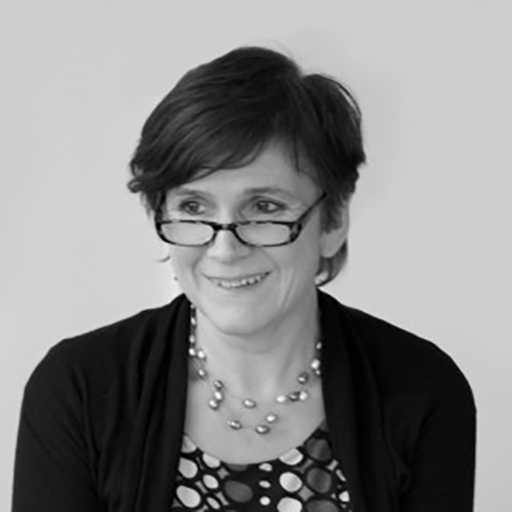
Dr Kay Trainor
Associate Consultant
-
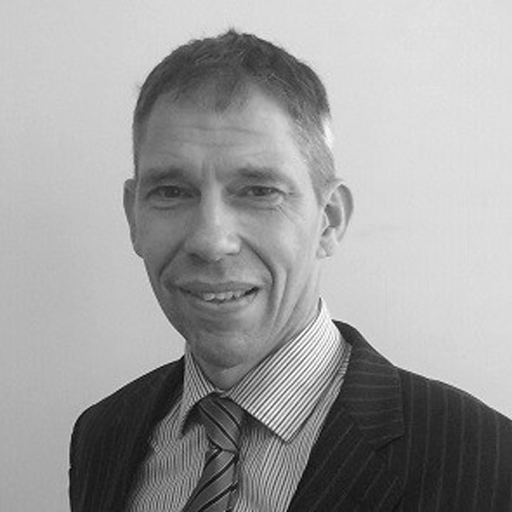
Dr Simon Tucker
Associate Consultant
-

Dr Robyn Vesey
Associate Consultant


Impact
- Deeper insight into the dynamics affecting organisational culture and how people work together
- Identification of systemic patterns that may be contributing to recurring difficulties
- Increased awareness of assumptions and established ways of working that may be difficult to recognise or discuss
- Greater understanding of role boundaries, responsibilities and areas of role confusion
- Identification of misalignment between organisational structures, ways of working and the organisation’s primary task
- A clearer understanding of the anxieties and pressures that may be contributing to issues
- A stronger basis for deciding what needs attention and what, if anything, needs to change
Insights and case studies
-

2 November 2017
Digital Innovation – Why it doesn’t always work out
-

-

-



Leadership and management online workshops

- AI and leadership
- Navigating difficult conversations
- A team coaching approach for leaders
- Leading across systems in uncertainty
- Neurodivergent leadership
- Leading through the NHS shifts
Make an enquiry
Whatever challenge, opportunity or development you’re facing, an enquiry call offers a chance to pause, reflect, and think it through together, without any obligation or pressure.
When you contact us, a member of our team will either address your enquiry directly (if you’re just looking for information) or let you know that a consultant will be in touch to arrange an initial online conversation.
If your enquiry is more urgent, please feel free to contact us on 020 8938 2475.
Privacy Policy
To find out how your personal data is used and your rights under the Data Protection Legislation (GDPR), please read our Privacy Policy.